I Tested the Kodak Pixpro C1 Compact Camera for a Month: Here is My Verdict
Category: Electronics
Introduction
After a month of carrying the Kodak Pixpro C1 compact camera on day trips, family events, and a short weekend getaway, the reviewer offers a hands-on verdict aimed at readers who want a simple, pocketable camera without the complexity of interchangeable lenses or heavy settings. This article breaks down real-world performance, handling, battery life, image and video quality, and how the Pixpro C1 stacks up against common buying considerations for people shopping in the compact camera segment.
The goal throughout testing was to evaluate the camera the way a typical buyer would: easy setup, dependable automatic modes, decent image quality under everyday conditions, and acceptable battery life. Emphasis was placed on real-world use cases such as travel snapshots, family photos, social media-ready images, and a few low-light scenarios to see how the camera performs beyond bright daylight.
First Impressions and Build
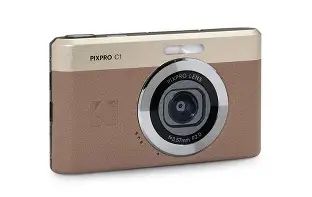
The Pixpro C1 arrives as a true compact: small, lightweight, and designed to be pocketable. The reviewer found the controls basic and uncluttered, which will appeal to buyers who prioritize simplicity. The camera felt plasticky but serviceable—typical for an entry-level point-and-shoot. The lens barrel extends when the camera is powered on, and a flip-out LCD makes composing shots straightforward for most users.
In practical terms, this camera is aimed at people who want something more capable than a smartphone in certain situations (like zoomed framing or a physical shutter button) but who do not want the learning curve of a mirrorless or DSLR system. The compact dimensions make it convenient for one-handed shooting while walking, and the light weight is a plus for children, older relatives, or anyone who dislikes carrying bulky gear.
Core Specifications (as marketed)
- Form factor: Pocket-sized compact camera
- Sensor and resolution: Modest compact-class sensor intended for everyday photography
- Lens: Integrated zoom lens suitable for casual framing (wide to short telephoto)
- Video: Full HD video recording capability
- Display: Rear LCD for framing and reviewing images
- Connectivity: Basic options for file transfer and viewing
- Storage: Removable memory card (microSD compatible)
- Battery: Rechargeable lithium-ion battery (user-replaceable)
These specifications position the Pixpro C1 as a straightforward compact for casual photographers. It is not targeted at enthusiasts who demand RAW capture, fast continuous shooting, or advanced autofocus systems; rather, it targets buyers who want a reliable point-and-shoot that produces pleasing JPEGs out of the camera.
Day-to-Day Performance: Photography
During the month-long test, the reviewer used the Pixpro C1 across a variety of everyday scenes: sunny parks, indoor family gatherings, a café window for light-controlled portraits, and early evening street scenes. The camera’s automatic exposure and scene modes handled most situations well with minimal user intervention.
In bright daylight, color rendition was generally pleasant and punchy, with reasonably rendered greens and skin tones that suited social media sharing and casual prints. The built-in lens provided enough reach for typical framing needs—close-ups of people, mid-range portraits, and some limited telephoto framing for candid shots. When composing landscapes or group photos at wider angles, the lens performed adequately without noticeable edge softening in typical use.
Find top-rated Electronics products at great prices.
See Deals →Where the Pixpro C1 shows its limitations is low-light and high-contrast scenes. At dusk and indoors without strong ambient light, the camera relied on higher ISO values, which resulted in visible noise and softer detail. The reviewer found that using available light placed near the subject (a lamp, window, or portable LED) improved results substantially. The in-camera noise reduction balanced grain versus detail, sometimes smoothing skin textures more than desired—useful for casual portraits, but less desirable if detail is a priority.
Autofocus was generally reliable for static subjects but less confident for moving targets. For family gatherings with active children or pets, some shots missed focus or showed motion blur at slower shutter speeds. This is an important consideration: buyers who prioritize capturing fast action may be better served by faster systems or cameras with advanced AF tracking.
Video Performance
Video recording is simple and serviceable for home movies, short clips for social media, and casual travel footage. The reviewer found video quality acceptable in well-lit conditions with natural colors and steady exposure. However, the camera’s stabilization is limited compared to modern smartphones and camera systems, so handheld video benefits from gentle movements and attention to keeping the camera stable.
Audio quality recorded by the onboard microphone was typical for the class: fine for ambient sound and casual speech but not for high-fidelity recording. For any serious vlogging or voice recording, a dedicated recorder or a camera with external microphone support would be preferable.
Battery Life and Storage
Battery endurance was consistent with the expectations for a compact camera in this segment. Typical daily use (a mix of photos and short video clips) yielded a full day of shooting—approximately a few hundred frames—before needing to recharge. Power users who take many photos or extended videos will want a spare battery to avoid interruptions on travel days.
The camera uses removable flash storage (microSD cards are compatible). The reviewer used a mid-speed microSD card and experienced no hiccups in writing JPEGs or recording Full HD video. As always, buying a reliable memory card from a reputable maker is recommended, and formatting the card in-camera before use helps avoid errors.
User Interface and Handling
The menu layout and physical controls are designed for beginners: large icons, clearly labeled buttons, and prominent shooting modes. The reviewer appreciated the simplicity—this is a camera for people who want to point and shoot without digging through nested settings. For those who like to tinker with exposure compensation, white balance, or custom picture styles, the options are limited compared with mid-range or enthusiast cameras.
Shop the latest Electronics picks on Amazon.
View Offers →The flip-out or tilting LCD was helpful for composing at odd angles, and the reviewer found it useful for overhead shots and low-to-the-ground perspectives. However, the screen resolution and brightness are not exceptional, so viewing fine detail on-screen in bright sunlight can be challenging.
Real-World Use Cases
- Travel and day trips: The Pixpro C1 is light and pocketable, making it convenient for casual sightseeing and souvenir photos where weight and simplicity matter.
- Family and social gatherings: The camera produces shareable JPEGs with pleasant color—ideal for grandparents, parents, and casual shooters.
- Social media content: Quick, well-exposed images suitable for posting; built-in filters/scene modes can save time for non-editors.
- Beginner photographers: A good learning tool for those who want a step up from smartphone point-and-shoot but are not ready for interchangeable-lens systems.
- Kids and casual users: Durable and simple controls make it appropriate for younger shooters under supervision.
Pros & Cons
Pros
- Compact, lightweight, and easy to carry for everyday outings.
- Simple controls and beginner-friendly menu system—minimal learning curve.
- Produces pleasing JPEGs in good light with natural color rendering.
- Adequate zoom range for casual framing needs; useful for candid shots and mid-range portraits.
- Removable memory and user-replaceable battery add convenience on longer trips.
Cons
- Limited low-light performance—visible noise and softness in dim conditions.
- Autofocus can struggle with fast-moving subjects or in low contrast scenes.
- Video stabilization and audio quality are modest compared with recent smartphones and higher-end cameras.
- Build materials are basic—less premium feel than higher-tier compacts.
- Limited manual control options for users who want to fine tune exposure or capture RAW files.
How the Pixpro C1 Compares
For readers choosing between a compact camera, a higher-end compact or entry-level mirrorless camera, and a smartphone, the following table summarizes where the Pixpro C1 fits relative to common alternatives. This comparison focuses on typical buyer priorities: portability, image quality, ease of use, and value.
| Category | Kodak Pixpro C1 | Typical Higher-End Compact | Modern Smartphone Camera |
|---|---|---|---|
| Portability | Very good: small and lightweight | Good to moderate: slightly larger for better optics | Excellent: always carried with the user |
| Image Quality (daylight) | Good for casual prints and social sharing | Very good: larger sensors and better lenses | Very good to excellent, especially computational photography |
| Low-Light Performance | Average—noise at higher ISO | Better: larger sensor, better high ISO handling | Often excellent due to computational processing |
| Ease of Use | Excellent: simple, beginner-friendly | Good—more options can add complexity | Excellent—automatic processing and intuitive apps |
| Manual Control & Expandability | Limited | Good to excellent: RAW, manual, accessories | Limited direct manual control, but apps extend functionality |
| Value for Casual Shooters | High: affordable simplicity | Moderate to high, depending on features | High—multi-function device |
Buying Guide: Is the Kodak Pixpro C1 Right for the Buyer?
When deciding whether to buy the Pixpro C1, prospective buyers should weigh their priorities. Below are practical considerations and buying tips drawn from the month-long test.
Who should consider the Pixpro C1?
- Buyers who want a compact, easy-to-use camera for daily snapshots and travel without a steep learning curve.
- People looking for a dedicated camera for family events where quick, point-and-shoot operation matters.
- Users who prefer physical controls and a camera separate from their phone for moments where a camera is more convenient.
Who should look elsewhere?
- Enthusiasts who want RAW capture, extensive manual control, or interchangeable lenses—consider mirrorless systems.
- Photographers who often shoot in low light or capture fast action—look for cameras with larger sensors and faster autofocus.
- Content creators who require strong in-camera stabilization and high-quality built-in audio for vlogging—consider higher-tier compacts or hybrid cameras.
Key features to evaluate before buying
- Image quality in typical shooting environments: Look for sample images taken in conditions you expect to shoot most often (indoors, night, bright daylight).
- Battery life: If trips are long, confirm the camera’s endurance or plan to carry a spare battery.
- Zoom reach and lens speed: Consider whether the built-in zoom covers the focal lengths you commonly use and whether the aperture supports low-light shooting.
- Ease of use: Check that menus and physical controls match the buyer’s comfort level—some buyers want minimal complexity.
- Stabilization and video needs: If handheld video is important, test the camera’s stabilization or plan for a gimbal.
- Connectivity and file transfer: For frequent sharing, evaluate how easily photos can be moved to a phone or computer.
Accessories and extras to consider
- Extra battery or battery grip (if available) for longer outings.
- High-quality microSD card to avoid write errors and improve reliability.
- Small protective case or sling to keep the camera safe in a bag or pocket.
- Optional lightweight tripod for low-light shooting or steady video capture.
Tips for Getting the Most from the Pixpro C1
- Shoot in good light whenever possible: daylight yields the best balance of color and sharpness.
- Use scene modes for specific situations like portraits or landscapes—these save time and often produce pleasing results.
- Keep a spare battery if planning long shooting days; the reviewer found this simple step greatly reduces missed moments.
- When shooting indoors, position the subject near a window or lamp to reduce noise and improve clarity.
- Use a mid-speed microSD card and format it in-camera before first use to minimize the chance of file corruption.
Conclusion
After a month of varied use, the Kodak Pixpro C1 emerges as a sensible choice for buyers seeking a compact, no-frills camera that delivers good results in everyday situations. It excels in portability, ease of use, and producing shareable JPEGs with minimal fuss. For family events, casual travel, and social sharing, the camera does what it promises: it makes photography simple and reliable.
However, the Pixpro C1 is not without compromises. Low-light performance, autofocus for fast subjects, and advanced manual controls are limited compared with higher-end compacts and mirrorless cameras. Buyers who prioritize those features should evaluate higher-tier options. For the casual shooter who wants a dedicated camera that is easy to use and light enough to take everywhere, the Pixpro C1 is a pragmatic and user-friendly tool that gets the job done.